Why Food-Based Hydration Matters
Many fruits and vegetables are made up of 85 to 95 percent water, which means eating them contributes meaningfully to your daily fluid intake, often without the effort of remembering to drink a full glass. For older adults in Anchorage who find it hard to keep up with water alone, especially during a busy summer day, leaning on hydrating foods is a practical backup plan rather than a replacement for drinking water altogether.
Foods That Help You Stay Hydrated
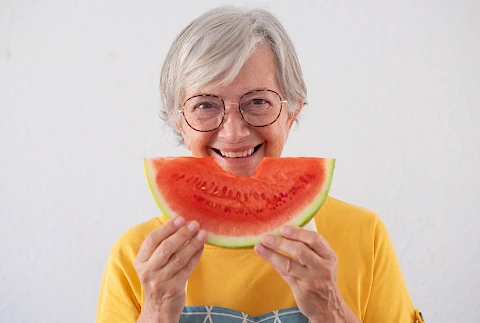
Watermelon leads the list at about 92 percent water, and it doubles as a refreshing summer snack. Cucumbers come in even higher, around 95 percent, and work well sliced into a salad or eaten plain with a bit of salt. Strawberries, oranges, and cantaloupe all contain more than 85 percent water and offer vitamin C alongside their hydrating benefits. Lettuce, celery, and zucchini round out the list of high-water vegetables, and soups made with a broth base add fluid intake along with warmth and nutrition. The USDA offers useful guidance on building fruits and vegetables into a daily eating pattern if you want more structured ideas.
Foods That Work Against Hydration
Some common foods pull in the opposite direction. Salty snacks like chips and pretzels cause the body to retain water, leaving you feeling thirstier, and cured meats like bacon, ham, and deli slices have a similar effect due to their sodium content. Alcohol acts as a diuretic, meaning it increases fluid loss rather than replacing it, so a drink at a summer gathering should be paired with extra water. Coffee in moderate amounts is generally fine, but drinking several cups a day without balancing it with water can add up to a meaningful fluid deficit by evening.
Building a Daily Pattern
Try pairing a hydrating food with each meal rather than treating hydration as a separate task. Cantaloupe for breakfast, a cucumber salad for lunch, and a broth-based soup for dinner all add up over the course of a day. This approach works especially well for anyone who finds a full glass of water at once unappealing but can manage small amounts steadily throughout the day.
Watching for Signs of Low Fluid Intake
Dry mouth, dark urine, fatigue, and dizziness can all signal that you're behind on fluids, especially during Anchorage's warmer summer stretch. If these symptoms show up regularly, it's worth mentioning to your doctor, since dehydration can affect medication levels and overall energy more than people expect.
Staying Ahead of Dehydration This Summer
A little variety on your plate can make hydration feel less like a chore and more like part of an ordinary meal. For families in Anchorage looking for extra support with meal planning or daily reminders to drink water, our team at Senior Helpers Anchorage is glad to help build a routine that works for them. Contact us to learn more about our in-home care services.