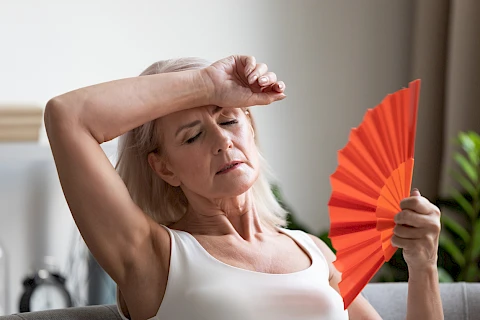
Why Seniors Are at Higher Risk
The body's ability to regulate temperature becomes less efficient with age. Sweating, the body's primary cooling mechanism, occurs more slowly and produces less sweat in older adults. The thirst response also weakens, meaning you may become dehydrated before you feel thirsty. Skin thins and changes in ways that reduce heat dissipation. Together, these changes mean that the body takes longer to cool down and has less margin for error on hot days.
Medications add another layer of risk. Diuretics, used for blood pressure and heart conditions, reduce fluid volume. Beta-blockers can reduce the heart's ability to increase its rate in response to heat stress. Antihistamines and some antidepressants can suppress sweating. If you take any of these, your body's ability to handle heat is reduced beyond what aging alone produces. The CDC guidance on extreme heat specifically flags older adults as a high-risk group and recommends staying alert to conditions that increase the risk of heat-related illness.
Symptoms of Heat Exhaustion
Heat exhaustion is the stage before heat stroke. Recognizing it early allows you to act before the situation becomes a medical emergency. Symptoms can include:
- Heavy sweating, even if the air doesn't feel particularly hot to you
- Weakness or fatigue that arrives more suddenly than usual
- Cool, pale, or clammy skin (the skin may feel damp to the touch)
- Dizziness, lightheadedness, or a feeling of faintness
- Nausea or stomach discomfort
- A fast but weak pulse
- Headache
- Muscle cramps
You might not experience all of these at once. Even two or three of them together on a warm day, especially if you've been outside for a while or haven't been drinking enough fluids, warrants taking action.
What to Do If You Notice These Symptoms
Move to a cool place immediately. Inside with air conditioning is ideal. A shaded, well-ventilated area is second best. Lie down with your legs raised slightly if you feel faint. Drink cool water slowly. Apply cool, wet cloths to your skin, particularly the forehead, neck, and wrists. Loosen or remove unnecessary clothing.
Don't wait for symptoms to pass on their own. Heat exhaustion can progress to heat stroke quickly. If you develop a very high body temperature, confusion, hot and dry skin, or stop sweating despite the heat, call 911. If you're alone and feel unwell, call someone before your condition worsens.
Prevention Habits for Hot Days
Check the forecast before planning any outdoor activity. Go out in the early morning or evening on warm days, and stay inside during peak midday heat. Keep water visible and drink throughout the day without waiting for thirst to prompt you. Wear light-colored, loose-fitting clothing, and let a family member or neighbor know if you plan to be outside alone.
Staying Safe Through Alaska's Warm Months
Older adults can experience heat-related illness on days that feel only moderately warm in Anchorage. Staying aware of your body and asking for help when something feels off are sound habits year-round. Senior Helpers of Anchorage provides in-home care for older adults in Anchorage with consistent, attentive support through every season. Contact us to learn more about how we can help.