Depression in older adults looks different from the popular image of it. It doesn't always show up as sadness you can name. Sometimes it arrives as a loss of interest in things you used to enjoy, a persistent tiredness that sleep doesn't fix, or a growing reluctance to see friends or leave the house. In Anchorage, where winters are long and the dark months can stretch the distance between people, it's worth knowing what to watch for in yourself.
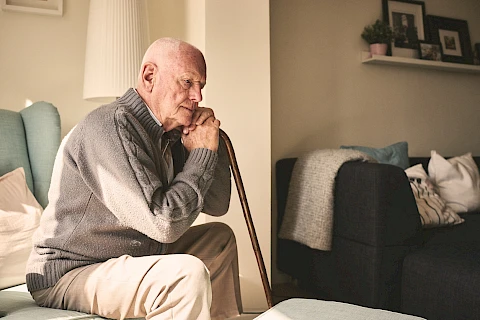
How Depression Presents Differently in Older Adults
Younger adults with depression often describe a pervasive sadness. Older adults are more likely to report physical symptoms, such as persistent aches or gastrointestinal discomfort, significant fatigue, or difficulty concentrating. Some describe a flatness rather than sadness, as though things that should matter simply don't register the way they once did.
Memory and attention can be affected in ways that are sometimes mistaken for early cognitive decline. Sleep changes are common, such as difficulty falling asleep, frequent waking, or the opposite, sleeping much more than usual. Appetite often shifts too, with some people eating significantly less and others turning to food for comfort.
The National Institute of Mental Health notes that depression is not a normal or expected part of aging. It is a medical condition that responds to treatment. That distinction matters because many older adults quietly attribute their feelings to "just getting older" and don't seek help that could genuinely improve their daily lives.
Why Depression Can Go Unrecognized
Several factors make depression easier to overlook in older adults. Seniors may not recognize it as depression, particularly if they've never experienced it before. There's a generational tendency in many communities to push through rather than discuss mental health. Physical health problems can dominate medical appointments, leaving little room for emotional well-being to come up.
Grief is another complicating factor. Losing a spouse, siblings, close friends, or even a sense of purpose after retirement is a real loss that carries real weight. Grief and depression can coexist. When grief doesn't lift over time or deepens into something that interferes with daily functioning, that's a signal worth paying attention to.
Resources and Ways to Get Support
If any of this resonates, the most straightforward first step is talking to your primary care physician. Depression is well within the scope of what primary care providers address. They can discuss options, including therapy, medication, and referrals. You don't need to wait until you feel a crisis coming.
The 988 Suicide and Crisis Lifeline, reached by calling or texting 988, is available to anyone experiencing emotional distress, not only acute crises. The Crisis Text Line (text HOME to 741741) is another option. For ongoing support, the AARP Grief and Loss resources offer reading and community connection tools available at no cost.
In Anchorage, the Alaska Mental Health Trust and Alaska Behavioral Health also maintain local resources. A trusted friend, clergy member, or family contact can be a bridge to getting more formal help.
Taking Your Emotional Health as Seriously as Your Physical Health
A check on your mood and emotional state is as legitimate a health concern as a blood pressure reading. If you've noticed a persistent change in how you're feeling, a withdrawal from things you used to care about, or a heaviness that doesn't seem to lift, please reach out to Senior Helpers. Senior Helpers of Anchorage supports older adults and their families in Anchorage with compassionate in-home care. Contact us to talk about how we can help you or your loved one feel more supported at home.